
From Student to Practitioner: Completing the Provincial Instructor Diploma Program
When I began the Provincial Instructor Diploma Program through Vancouver Community College, I started this blog as a way to reflect on what I was learning and how those ideas connected to the practice of adult education. Writing about the concepts, theories, and strategies explored in the program helped me process them more deeply and consider how they applied to real workplace learning environments.
In November 2025, I completed the program. Reaching this milestone feels less like the end of a journey and more like the beginning of a new phase in my professional practice.

Throughout the program, I was introduced to a range of theories and instructional strategies that challenged the way I previously thought about teaching and training. Early in my career, I often viewed instruction primarily as the delivery of information. The PIDP helped me see learning from a different perspective. Effective adult education is not simply about sharing knowledge it is about creating conditions where learners can actively engage, reflect, and construct meaning from their experiences.
Several ideas from the program have had a lasting influence on how I approach learning design and facilitation.
One of the most important was the emphasis on learner-centered design. Adult learners bring prior knowledge, experiences, and expectations into any learning environment. Recognizing this means designing learning experiences that respect that experience and allow learners to connect new ideas to what they already know.
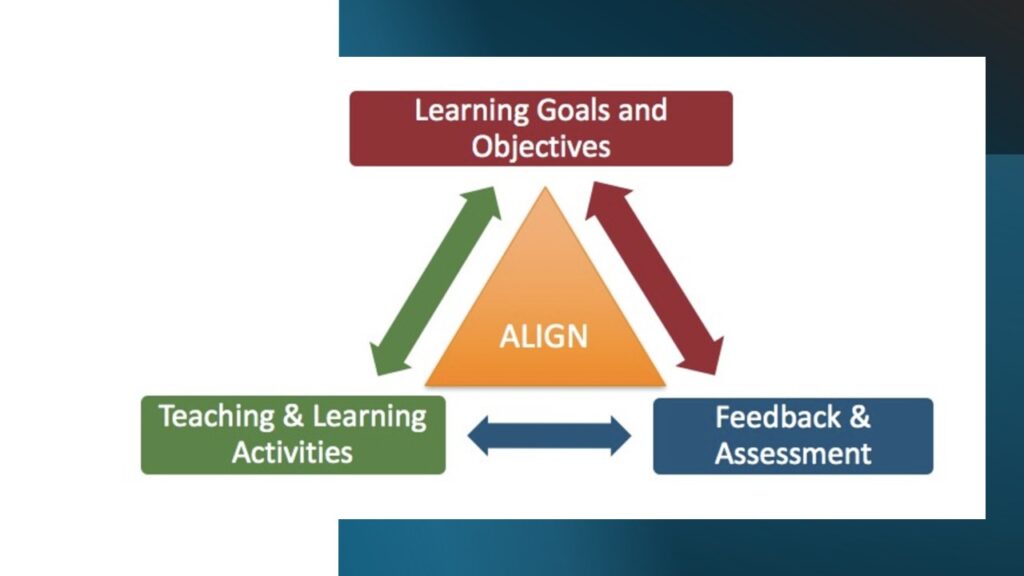
Another concept that strongly influenced my thinking was the importance of alignment in course design. Learning outcomes, learning activities, and assessment strategies need to support one another. When those elements are intentionally aligned, learners are more likely to achieve meaningful and lasting learning outcomes.
The program also reinforced the value of reflection and feedback as part of the learning process. Strategies such as feedforward encourage learners to view feedback not as a judgment of past performance, but as guidance that helps improve future performance. This approach supports growth and builds learner confidence.
Finally, the program highlighted the importance of inclusive learning design. Frameworks such as Universal Design for Learning remind instructors to design learning experiences that consider the diverse ways people access information, engage with material, and demonstrate understanding.
Completing the PIDP has strengthened my commitment to adult education and instructional design. It has also reinforced the importance of continuous learning for educators themselves. Teaching and facilitating learning are professional practices that evolve as new research and new tools emerge.
As this blog moves forward, its focus will expand beyond reflections on coursework. My goal is to continue exploring ideas that can support educators, trainers, and learning professionals working in adult education and workplace learning environments.
Future posts will focus on several areas:
• Translating research in adult learning into practical insights for instructors and training professionals
• Exploring instructional design strategies that support effective learning experiences
• Sharing tools, templates, and frameworks that educators can apply in their own practice
• Reflecting on real-world challenges and opportunities in workplace learning
Adult education is a field that continues to evolve as organizations adapt to changing technologies, shifting workforce expectations, and new approaches to professional development. My hope is that this blog can contribute in a small way to those ongoing conversations.
Completing the Provincial Instructor Diploma Program marks an important milestone in my own development as an educator. But like all meaningful learning journeys, it is not a finish line it is a foundation for continued growth.
Thank you to those who have followed along with this blog throughout the program. I look forward to continuing the conversation and sharing ideas that support effective learning and meaningful knowledge development.
Never Stop Learning.

T:he
P:ower
O:f
K:nowledge